
The benefits of glass shower enclosures include higher resale value, easier cleaning than curtain-and-liner setups, and a visual upgrade that makes small bathrooms look bigger. Homeowners often hold onto old assumptions about cost, upkeep, and durability that no longer match how these systems are built in 2026. This article walks through the most common myths and what actually happens once a glass enclosure is installed.
Bathroom renovation decisions carry weight because they’re expensive to redo. A shower enclosure is one of the few home upgrades that gets used twice a day, every day, which means small annoyances (mildew smell, a sticky curtain, a door that doesn’t latch right) compound fast. Glass options have changed considerably over the past decade, with clearer coatings, stronger hardware, and more configurations than the standard sliding tub door most people picture.
Key Takeaways
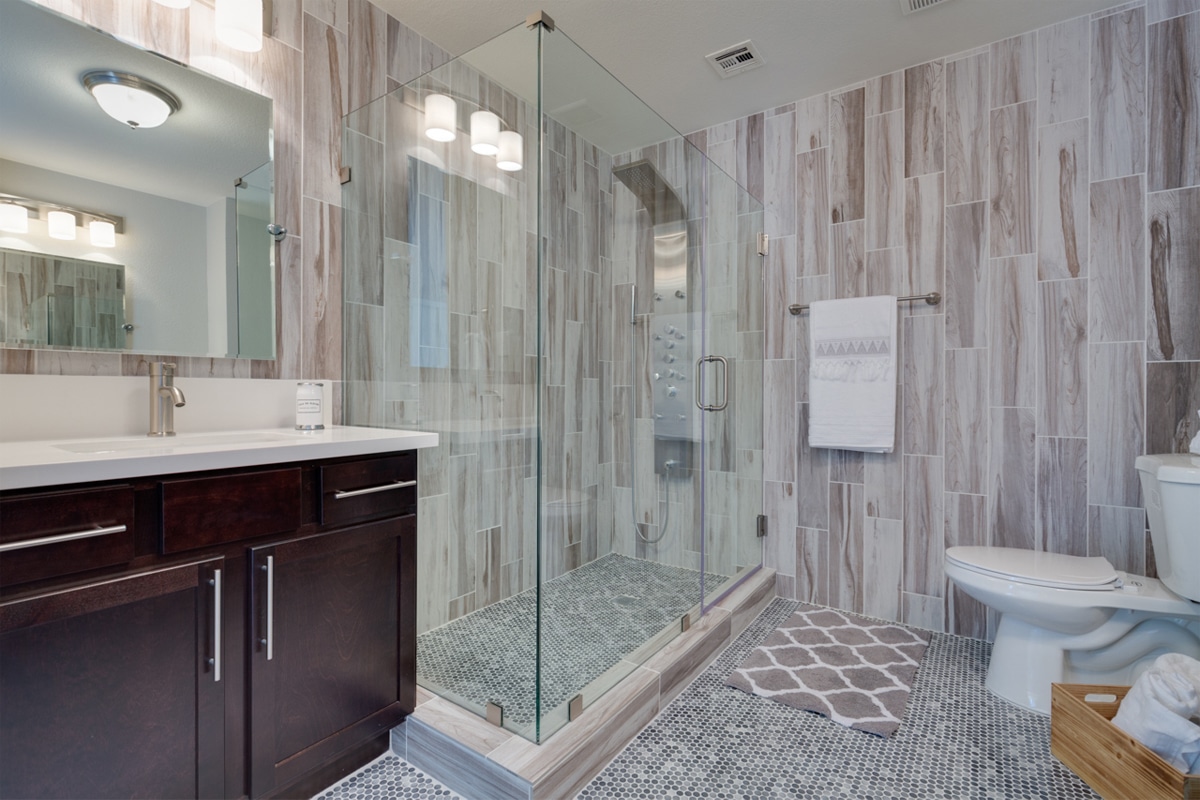
- Frameless enclosures typically use 3/8″ or 1/2″ tempered glass, which is why they don’t need a metal frame for structural support
- A quality glass coating cuts down on hard water spotting and reduces weekly scrubbing to a quick squeegee pass
- Real estate appraisers and agents commonly note updated bathrooms, including shower enclosures, as a factor buyers respond to during showings
- Custom glass panels can be cut to fit irregular layouts, including corner units, neo-angle showers, and tub-to-shower conversions
- Framed enclosures generally cost less upfront than frameless, but frameless tends to need less hardware maintenance over time
The Claim: Glass Enclosures Are Just for Looks
People assume glass is a style choice with no real functional upside. In practice, the biggest complaint homeowners have about shower curtains isn’t appearance — it’s that curtains billow, cling, and trap moisture against the fabric, which is exactly the environment mold needs. A sealed glass shower door installation keeps water contained to one section of the bathroom, which matters more in homes with tile flooring that isn’t sealed for constant splash exposure.
There’s also a practical safety angle. Wet curtains that stick to skin or catch on a foot during entry and exit are a slip risk, particularly for households with older adults. A properly installed glass panel with a hinged or sliding door gives a stable, predictable opening every time.
The Claim: Cleaning Glass Is More Work Than a Curtain
This one gets repeated a lot, and it’s backwards. A vinyl curtain liner collects soap scum and mildew along its folds within weeks, and most people end up replacing the liner every few months rather than actually cleaning it. Glass, by comparison, has a flat, non-porous surface. In our experience, homeowners who switch from curtains to glass end up spending less total time on bathroom maintenance, even though glass shows water spots more visibly at first glance.
The trick is a squeegee habit — thirty seconds after each shower — combined with a coated glass surface. Many enclosures now come with a factory-applied treatment that resists mineral buildup from hard water, which is a common issue in homes on municipal water systems with higher calcium content. Without the coating, hard water can etch the glass over years, so this is one detail worth confirming before installation rather than after.
The Claim: Glass Enclosures Don’t Add Real Property Value
Sellers sometimes assume a fancy shower is a personal luxury that won’t return money at resale. What actually happens: bathroom updates are consistently cited by real estate professionals as one of the higher-return renovation categories, and a clean, glass-enclosed shower photographs better for listings than a curtain rod ever will. According to the National Association of Realtors, bathroom remodels rank among the improvements buyers notice most during walkthroughs, because they read as “move-in ready” rather than a future project.
The value isn’t just cosmetic. A dated shower with a moldy curtain or a cracked fiberglass surround signals deferred maintenance to a buyer, even if the rest of the home is in good shape. Swapping to a glass shower enclosure, whether framed or frameless, removes that red flag entirely.
The Claim: All Glass Enclosures Look the Same
This myth usually comes from picturing the builder-grade sliding door found in most tract housing built in the 1990s and 2000s. Reality is a lot broader now. Options include:
- Frameless designs — thicker tempered glass (typically 3/8″ to 1/2″) that stands on its own without a metal perimeter, giving an open, minimal look
- Framed enclosures — a classic option with metal edging around each panel, generally the lower-cost route
- Bypass doors — sliding panels that work well in tighter layouts where a swinging door would hit a vanity or toilet
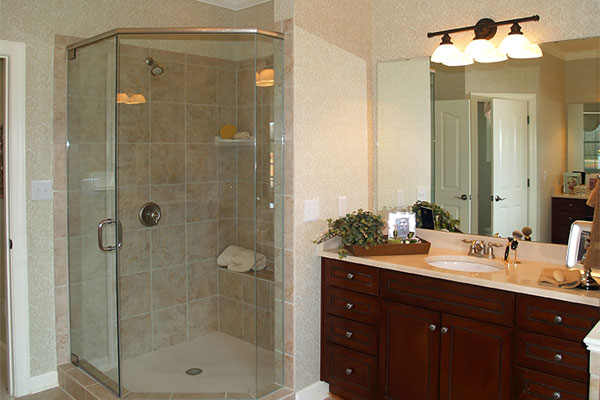
- Neo-angle and corner configurations — cut to fit awkward bathroom shapes rather than forcing a standard rectangle
- Glass finishes — clear, frosted, rain, or textured patterns for privacy without sacrificing light
The customization extends past the glass itself. Hardware finishes (matte black, brushed nickel, polished chrome) and hinge styles can match existing bathroom fixtures instead of introducing a mismatched element. This is where the “one-size-fits-all” myth really falls apart — a corner tub-to-shower conversion in a 1980s ranch home needs a completely different panel configuration than a walk-in shower in a new-build primary suite.
The Claim: Glass Only Works in Large, Modern Bathrooms
Homeowners with smaller bathrooms often assume glass enclosures are reserved for spacious primary suites. In practice, it’s the opposite — smaller bathrooms benefit the most from glass because a solid curtain or opaque surround visually chops the room in half. A clear frameless panel lets sightlines run uninterrupted from floor to ceiling, which makes an 8-foot by 5-foot bathroom read larger than it is. This is a principle recognized broadly in interior design, where transparency and reflected light are used deliberately to expand the perceived footprint of a small room, a concept covered in general terms on Wikipedia’s interior design overview.
Space efficiency also shows up in the door mechanics. A hinged door needs floor clearance to swing open, which can be a problem in a cramped layout. A sliding bypass door or a pivot door hinged to open outward into unused space solves that without shrinking the usable shower footprint.
The Claim: Once Installed, You’re Stuck With That Configuration
Some homeowners hesitate because they think glass installations are permanent and inflexible if plans change later — say, an aging household member who eventually needs a curbless entry, or a future bathtub-to-shower conversion for resale. In practice, glass panels are modular by nature. A bypass door system can be reconfigured, and enclosures are typically installed as a distinct unit from the plumbing and tile work underneath, meaning a future update doesn’t require tearing out the whole bathroom.
This also applies to combining features. Steam shower installations, glass splash guards for open-concept layouts, and heavy glass panels for larger walk-in showers can all be added or adjusted without demolishing the surrounding structure, since the glass itself is the flexible component in the design.
Frequently Asked Questions
Is tempered glass actually required for shower enclosures?
Yes. Building codes in most jurisdictions require safety glazing in wet areas, and tempered glass is the standard because it breaks into small, rounded pieces instead of sharp shards if it shatters. Most residential shower panels use 3/8″ or 1/2″ tempered glass depending on whether the design is framed or frameless.
Why does frameless glass cost more than framed, and is it worth it?
Frameless panels use thicker glass to compensate for the missing metal support structure, which raises material and installation cost. It’s worth it for homeowners prioritizing an open, low-maintenance look, since there’s less metal hardware to clean or eventually replace.
Will hard water ruin the glass over time if I skip the protective coating?
Skipping the coating doesn’t damage the glass immediately, but years of mineral-heavy water exposure can etch the surface, leaving a permanent cloudy film that no amount of scrubbing removes. A factory-applied coating combined with regular squeegeeing prevents this from becoming an issue.
Can a glass enclosure be installed over an existing tub without replacing it?
Yes, this is a common tub-to-shower conversion approach. A glass panel or sliding door is fitted directly onto the existing tub deck, which is typically faster and less disruptive than a full bathtub removal and shower pan installation.
How long does a typical glass shower enclosure installation take?
Most standard installations are completed in a single day once measurements and glass fabrication are finished, though custom cuts for neo-angle or irregular layouts may require a separate fabrication period before the on-site install.
Does adding a glass enclosure actually affect a home appraisal?
Appraisers don’t typically assign a line-item value to a shower door, but updated bathrooms factor into the overall condition rating of a home, which does influence comparable sales adjustments. Real estate agents also report that clean, modern bathrooms tend to perform better during buyer walkthroughs than dated fiberglass surrounds.
References
- National Association of Realtors. Remodeling Impact Report. NAR Research Group. 2024.
- U.S. Consumer Product Safety Commission. Safety Standard for Architectural Glazing Materials. 16 CFR 1201. 2023.
- American National Standards Institute. ANSI Z97.1 Safety Glazing Standard. ANSI. 2022.
- Environmental Protection Agency. Mold and Moisture Guidance for Homes. EPA.gov. 2024.
- Wikipedia contributors. Interior Design. Wikipedia, The Free Encyclopedia. 2026.
Ready to See Your Options?
Your bathroom is unique, and the right glass shower enclosure should be too. Get an accurate measurement, compare framed, frameless, and bypass options, and find a style that works with your space, fixtures, and budget.
Request your quote from Exceed Glass today and find the right enclosure for your bathroom.